
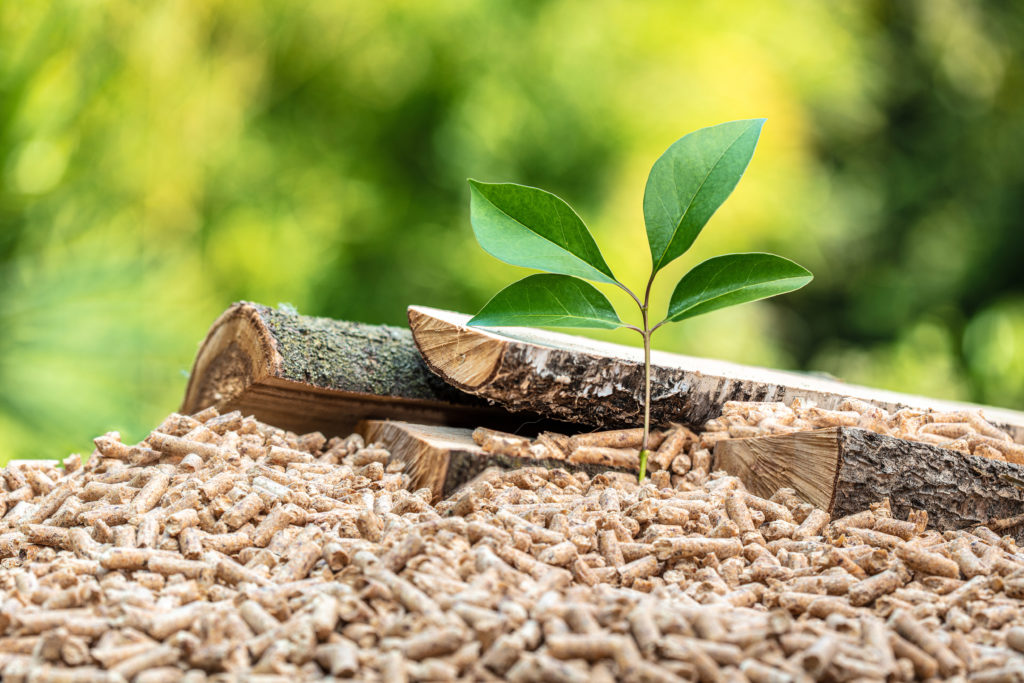
Proxipel, your all-in-one mobile pelletizing unit, provides information on wood heating pellets. Wood heating pellets, also known as pellets, have become an increasingly popular heating solution due to their energy efficiency, affordability, and reduced environmental impact. Made from compressed sawdust, wood pellets offer a renewable and sustainable alternative to fossil fuels. Proxipel, an innovative company in the field of waste recovery, has developed a mobile pelletizing unit that is unique in the world: Proxiflex. In this article, we’ll explore the benefits of wood pellets, the manufacturing process using Proxiflex, and their use in modern heating systems.
What is a heating pellet?
Heating pellets are small cylinders of compressed wood, typically 6 to 8 mm in diameter and 10 to 30 mm in length. They are made from sawdust, wood chips, and other wood byproducts, which are dried and compressed under high pressure without the addition of chemical binders. This compression releases the wood’s natural lignin, which acts as a binder to hold the pellets together.
The Benefits of Wood Pellets for Heating
- Environmentally friendly and renewable: Wood pellets are made from wood residues, making them a renewable energy source. Unlike fossil fuels, their combustion releases a quantity of CO2 equivalent to that absorbed by trees during their growth, making them a carbon-neutral option.
- Energy efficiency: Wood pellets have a high calorific value and low moisture content, making them highly efficient for heating. They burn cleaner and more completely than traditional wood logs, reducing particulate and ash emissions.
- Affordable: Compared with fossil fuels such as natural gas or heating oil, wood pellets are often less expensive. Their price is also less subject to global market fluctuations, making them a more stable and predictable heating option.
- Ease of use: Wood pellets are easy to store and handle. They can be delivered in bulk or in bags and stored in a silo or tank, from where they are automatically fed into the pellet boiler or stove.
The Wood Pellet Manufacturing Process with Proxiflex
Proxipel has developed a mobile pelletizing unit unique in the world: Proxiflex. This innovation transforms green waste into high-quality wood pellets, meeting the ISO 17225 standard. The Proxiflex mobile unit is designed to be fully integrated on a semi-trailer, offering high mobility and optimum efficiency.
Thanks to the mobility of Proxiflex, the plant is closer to the biomass and the consumer, reducing the impact of pellet transport and delivery. The short circuit principle is at the heart of Proxipel’s approach, minimizing carbon footprint and maximizing energy efficiency.
Proxiflex is equipped with a patented dryer that produces pellets from raw materials with a moisture content of up to 50%. Once out of the unit, the pellets can be immediately consumed and marketed. The performance of the dryer allows the use of raw materials with grain sizes of up to 50 mm, offering great flexibility in the processing of green waste.
Proxiflex is equipped with a loading hopper that can handle materials such as sawdust or wood chips. Proxipel is also developing other models that can handle materials up to 40 cm in diameter, thus expanding the possibilities for green waste recovery. This innovation makes it possible to meet the specific needs of different sectors, such as agriculture, forestry and local authorities.
The Use of Wood Pellets in Heating Systems
Wood pellets are used in a variety of heating systems, including stoves, certain boilers, and even fireplace inserts. These systems are designed to burn pellets efficiently and cleanly, providing consistent and comfortable heat for homes and buildings.
- Pellet stoves: Pellet stoves are self-contained appliances that burn wood pellets to produce heat. They are equipped with a pellet storage tank, an automatic feed system and a fan to distribute heat around the room.
- Pellet boilers: Pellet-fired boilers are designed to heat water, which is then distributed through a system of radiators or underfloor heating. They are ideal for larger homes and buildings, and can be used in combination with solar or geothermal heating systems.
- Fireplace inserts: Pellet fireplace inserts are designed to be installed in an existing fireplace, transforming a traditional chimney into an efficient, environmentally-friendly heating system.
Conclusion
Wood pellets offer an ecological, efficient and affordable heating solution. Made from wood residues, they represent a renewable energy source that helps reduce greenhouse gas emissions. Their energy efficiency, affordability and ease of use make them an attractive option for households and businesses looking to reduce their carbon footprint and improve energy efficiency. Proxipel, with its Proxiflex mobile pelletizing unit, offers a unique and efficient solution for the recovery of green waste, contributing to environmental protection and the promotion of a circular economy. By adopting wood pellets as a heating source, we can all contribute to the transition to a more sustainable, environmentally-friendly economy.
Additional information on biomass and pellet production:
- Granule selection and characteristics
- Grinding and Granulation
- Eco-friendly wood pellets
- Cherry Wood Pellets
- Wood pellets made from green waste